The pace of doing business is faster than ever. Products that once took years to develop now reach the market in months. A successful early test can mean a company needs full-scale manufacturing capacity before the year is out. For organizations in industries like technology, energy, manufacturing and mining, keeping up is essential.
That faster pace has changed what companies need from their buildings. A facility that takes two years to plan, approve and build can hold an entire operation back. But finding a building solution that can be deployed quickly is often one of the biggest challenges for businesses that need to move fast.
It’s a challenge Sprung has been helping customers solve for more than a century. Whether it’s an aerospace facility, mining building, research lab or production center, the need is almost always the same: a structure that can keep up with the business inside it.
Speed as the Baseline
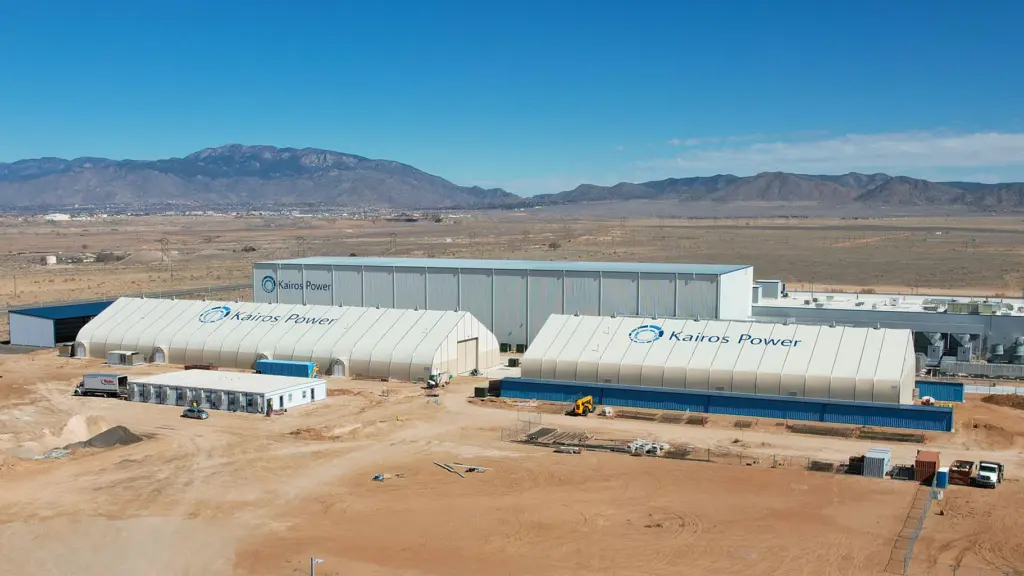
Every day that a facility sits unfinished is a day of lost revenue. Teams stay idle, production stalls and deadlines slip. A building that goes up in days or weeks, rather than months or years, can turn a time-sensitive opportunity into a reality.
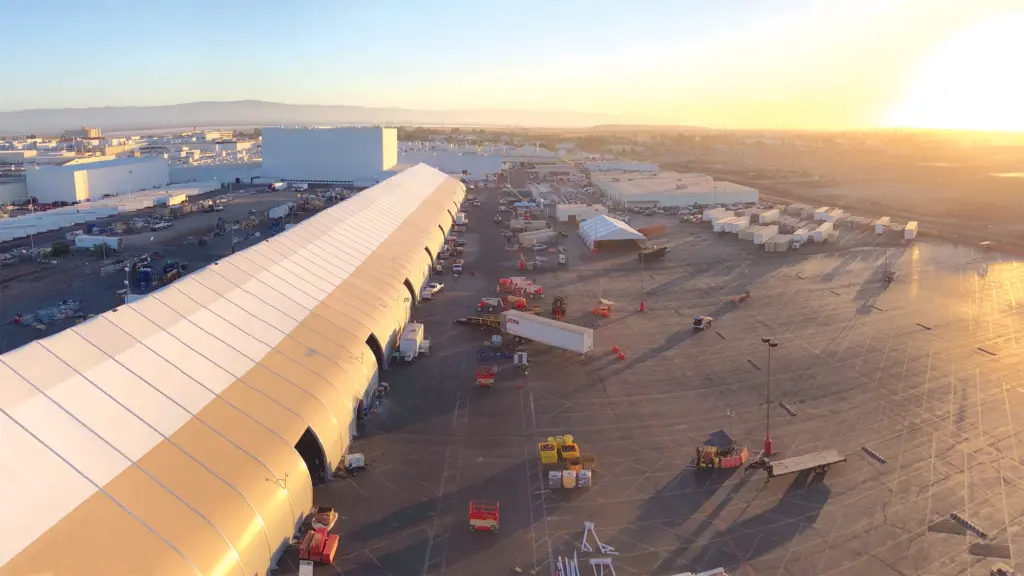
When Tesla needed more room to build its Model 3 vehicle, there was no time for conventional construction. Sprung designed and delivered 137,000 square feet of additional production space, which was installed in the company’s Fremont factory parking lot and was operational in just 19 days.
“[Those betting against the company] just did not count on this unconventional situation of creating an assembly line in a parking lot. It increased our output by 50 percent,” Tesla CEO Elon Musk told 60 Minutes shortly after the structure was completed.
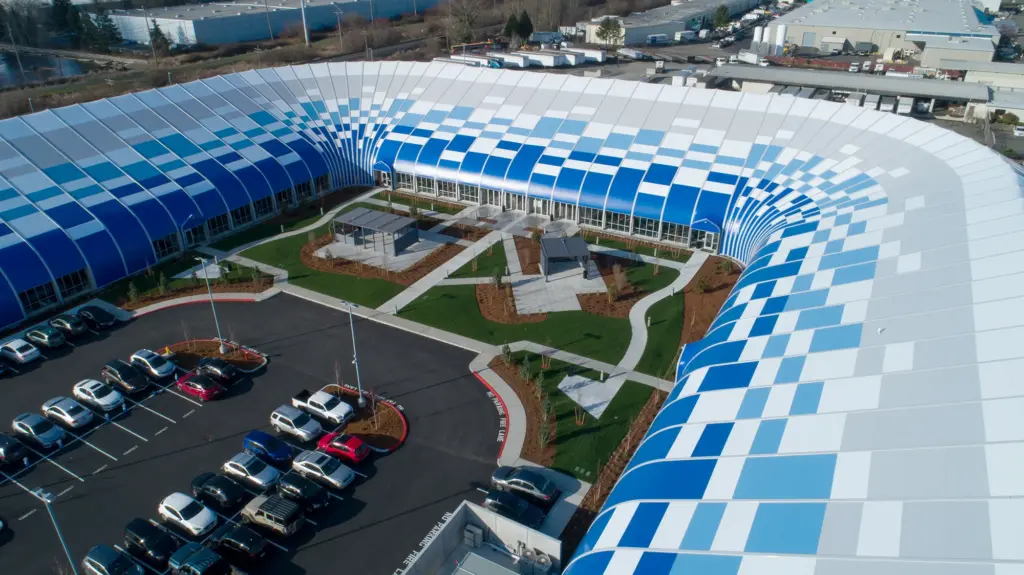
Blue Origin faced a similar need for speed, albeit on a much larger scale. The company’s headcount had grown from 750 to nearly 3,000 employees in less than three years, creating an urgent need for new, sustainably built headquarters space for 1,500 workers. A traditional build would have taken about three years. Instead, Blue Origin’s 225,000-square-foot Sprung structure was constructed in just 11 months.
“This is a very sustainable building, with better insulation and better energy consumption than a traditional building,” said Blue Origin CEO Bob Smith. “And it all came together very quickly.”
Built to Change
Getting a building up fast is one thing. But what happens when business needs change after the building is already in place?
With conventional construction, the answer is often to work around those changes. A building designed for a specific purpose can be expensive and difficult to modify, and making significant changes can take considerable time. For companies whose products, equipment and processes are constantly evolving, that lack of flexibility can quickly become a challenge.
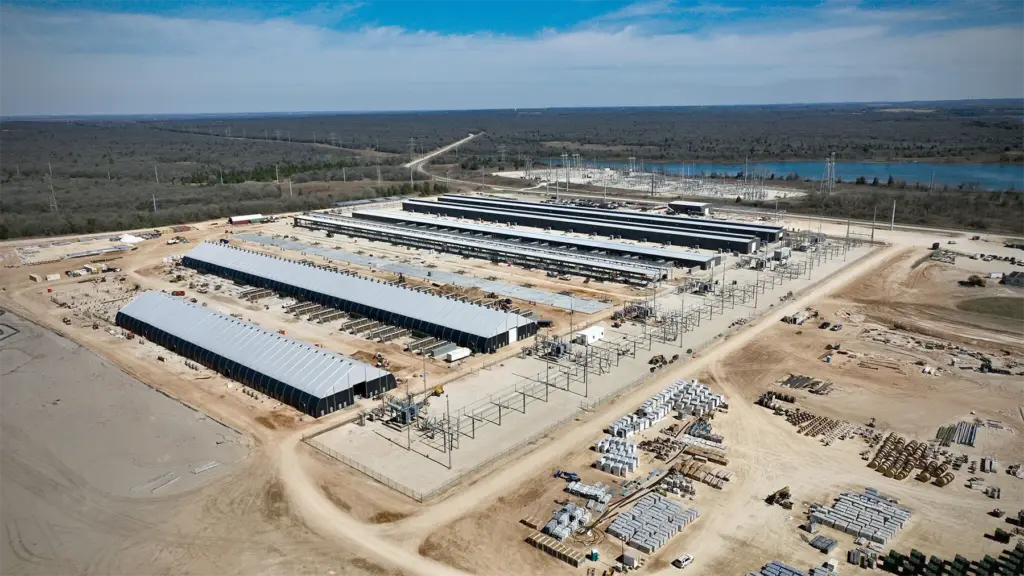
SpaceX encountered this challenge in Texas, where it needed additional space for rocket assembly and testing. The equipment was highly specialized, and some operational requirements were still evolving. Sprung delivered three custom structures within weeks, designed around SpaceX’s needs at the time while allowing room to adapt as those needs changed.
That kind of flexibility is built into Sprung’s modular structures. Need more space? Add a section. Moving to a new location? The structure can move with you. Changing its purpose entirely? That’s possible, too. For companies launching new product lines, managing demand spikes or expanding testing facilities, the ability to adapt the building as the work changes can make a real difference.
Reducing Risk, Not Just Cost
There’s also a financial argument for flexibility that often gets overlooked. A conventional building represents a major investment based on what a business needs today. But markets change, technologies evolve and operations shift. And when that happens, a building designed for one purpose and fixed in one location can quickly become a constraint, or even a liability.
That risk is especially relevant in industries like mining, where commodity prices fluctuate; energy, where regulations are subject to frequent change; and manufacturing, where competitive pressures are in constant flux. The challenge isn’t simply the cost of the building. It’s the risk of being locked into a facility that no longer fits the business.
Being able to grow, shrink or move a facility as a business actually develops, rather than as it was predicted to develop, gives organizations a lot more room to maneuver.
Sprung structures are engineered with that in mind. They go up faster because they need minimal foundations. They can be expanded or scaled back because of their modular design. They can be relocated thanks to their lightweight aluminum framework. And because everything bolts together, there’s no welding or on-site fabrication needed when changes are made. The building adapts so the business doesn’t have to, allowing organizations to respond to change rather than be constrained by it.
Looking Ahead
The companies that tend to thrive over the long run are the ones that can adapt when they need to. They develop products in stages. They adjust quickly when something isn’t working. They don’t get locked into plans that no longer make sense.
Buildings haven’t always fit that model, but that’s changing. Projects like Sprung’s work with Tesla, Blue Origin, SpaceX and more offer a glimpse of what’s possible: companies in fast-moving industries choosing infrastructure that can evolve alongside the work. Built to perform from day one and designed to adapt as needs change, these structures offer something traditional buildings often can’t—a facility that’s ready for what comes next.