
Every Sprung project starts with a series of questions. Not simply about the structure itself, but about how it needs to perform and what needs to happen inside it.
Will it house sensitive electronics that require precise temperature control? Will oversized haul trucks or aircraft need to move through doorways several times a day? Does the space require negative pressure for environmental remediation or hazardous material containment? Could the facility double in size five years from now?
Today’s high-performance facilities need to do far more than provide shelter. Whether serving as data centers, advanced manufacturing facilities, aircraft hangars or industrial processing plants, they must accommodate specialized equipment, maintain precise environmental conditions, integrate sophisticated mechanical and electrical systems, and adapt as operational needs evolve.
At Sprung, those considerations don’t come after a structure is designed, they’re where the design begins.
Built Around the Work
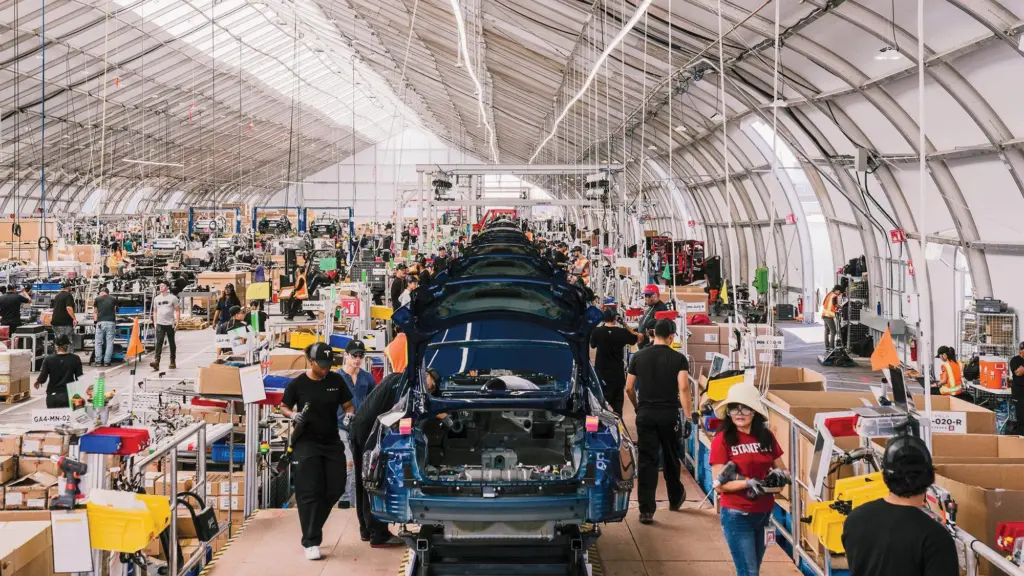
One of the biggest advantages of a Sprung structure is its clear-span interior. Expansive, column-free interiors give organizations complete freedom to configure their space around operations. Things like heavy equipment, manufacturing lines, aircraft and specialized machinery can all be accommodated without interior supports interrupting workflow.
Just as important as interior workflow is how people, vehicles and equipment move into and out of the building. From personnel doors and oversized cargo doors to rolling service doors and aircraft hangar doors, every opening in a Sprung structure is engineered to support efficient operations. The result is a building that works around a client’s operation instead of forcing the operation to work around the building.
Creating the Right Environment
For many organizations, a structure’s internal climate is also a major consideration. Some operations require consistently stable temperatures and humidity levels, while others depend on negative pressure or specialized ventilation to protect equipment, products or processes.
Sprung’s high-performance insulation and virtually airtight building envelope allow engineers to integrate sophisticated HVAC systems, ducting and mechanical infrastructure while maintaining the environmental conditions each project demands.
Ready for Technology
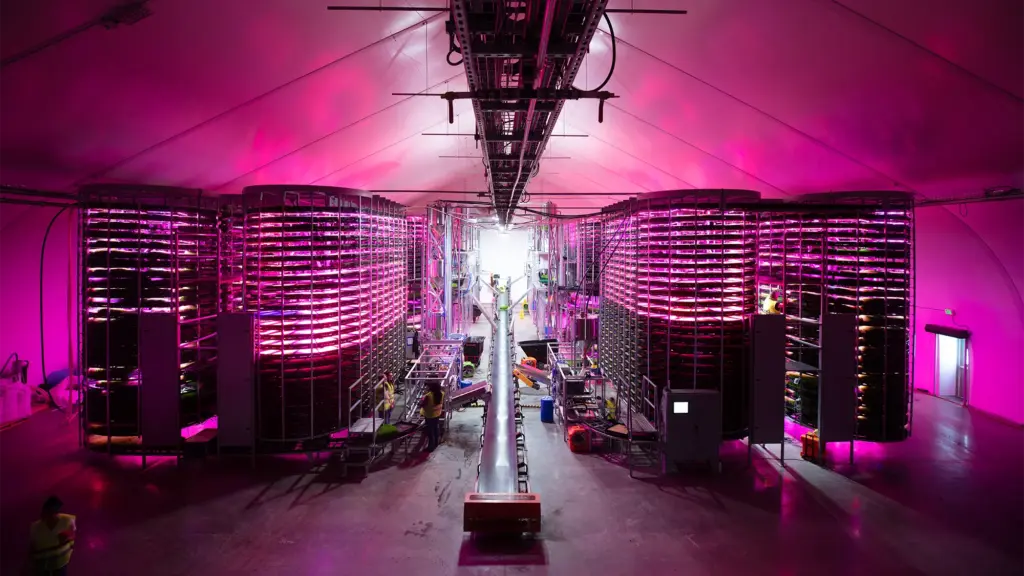
Of course, there are other systems to consider, too. High-performing facilities require space for power distribution, communications infrastructure, specialized and rapidly evolving technology.
From the outset, a Sprung building is engineered to accommodate those systems. Mounting points, utility routing and integration requirements are considered early in the design process, helping ensure the finished facility supports today’s operational needs while remaining adaptable for tomorrow.
Designed to Evolve
Perhaps the biggest challenge that organizations face today is anticipating what they’ll need down the road. As operations grow, markets pivot or technology advances, specific operational requirements can shift over time.
That’s why adaptability is built into every Sprung structure. Modular construction makes it possible to extend a structure by adding additional sections, connect multiple structures with enclosed corridors or relocate an entire facility if business needs change. Instead of becoming obsolete, a Sprung building evolves alongside the organization it serves. It’s one more way the Sprung team ensures our structures deliver—not just for today, but for years to come.