From concept to completion, here’s a closer look at the Sprung process.
Step 1: Understanding the Need
The process begins with a conversation.
We work with you to understand the purpose of your building, how it will be used and the environment it must perform in. Because Sprung structures are used across so many sectors (from recreation and education to aviation, mining and disaster response), our design approach is highly adaptable.
Clear-span interiors, modular layouts and a wide range of accessories allow each building to be tailored to the project’s specific needs.
At this stage, the goal is simple: define a building solution that delivers the right performance, size and functionality.
Step 2: Engineering the Structure
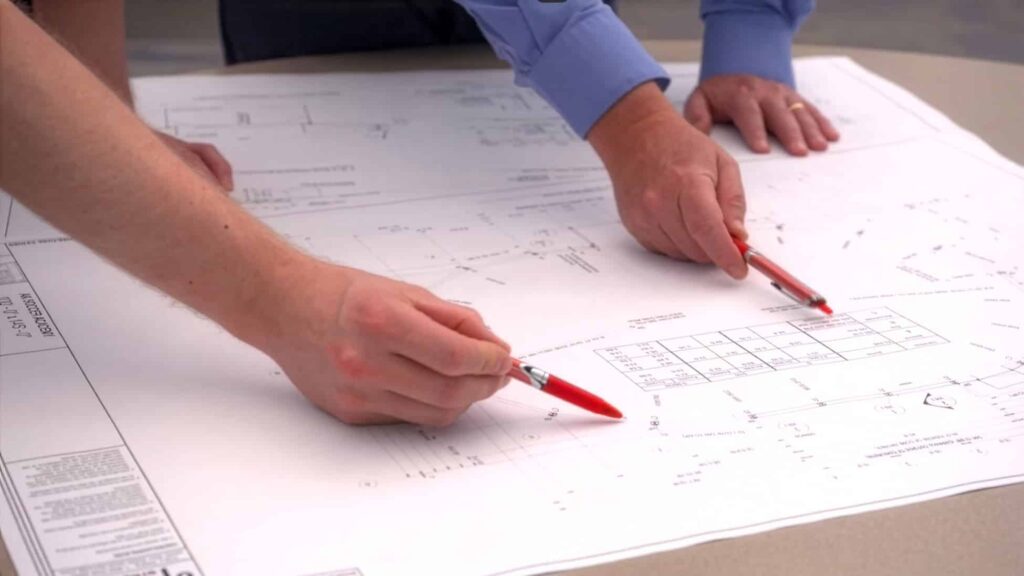
Once the design is established, the technical work begins.
Sprung’s buildings are based on a patented tensioned-membrane system supported by a corrosion-resistant structural aluminum framework. Together, this combination produces a durable, airtight building envelope that can perform in extreme climates, from desert heat to Arctic cold.
Each structure is engineered site-specific for wind, snow and seismic. Sprung provides a comprehensive permit package that includes stamped drawings and structural calculations to meet local building codes.
Step 3: Preparing the Site
One of the reasons Sprung structures can be delivered and installed quickly is their minimal foundation requirements.
Unlike many conventional buildings that require extensive excavation or concrete work, Sprung buildings often need only a simplified foundation system. This reduces site preparation time and allows projects to move forward more efficiently.
Once the foundation is ready, our prefabricated components are delivered to the site.
Step 4: Assembly and Installation
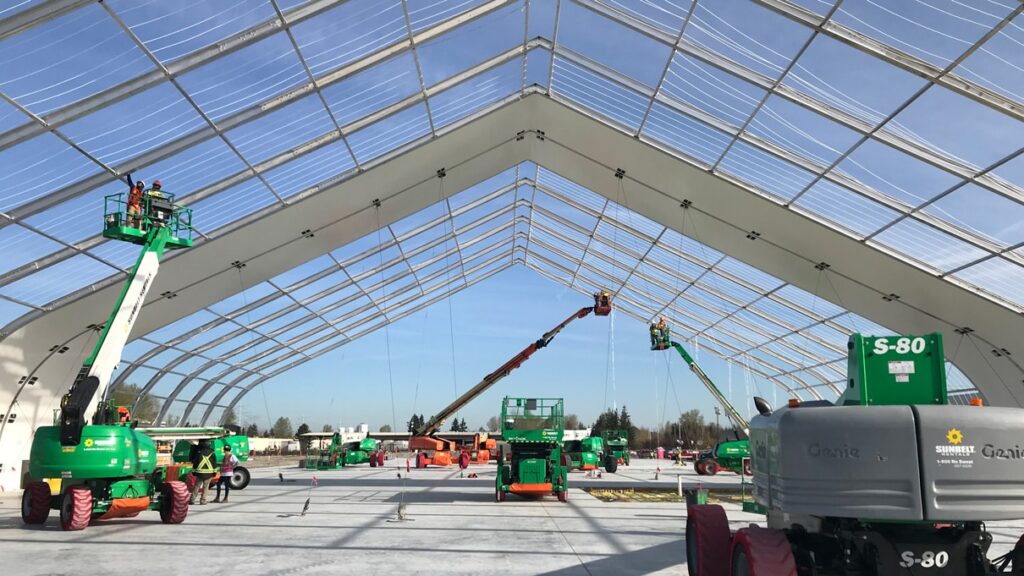
Construction moves quickly once the components arrive on-site.
The aluminum framework is assembled first, creating the signature arched profile of a Sprung structure. The architectural membrane is then installed and tensioned over the frame, forming a durable and weather-resistant exterior.
Because the structure can be enclosed early in the construction process, interior trades can begin working inside the building much sooner than they would on a traditional project.
In many cases, what might take years with conventional construction can be completed in a matter of weeks or months.
Step 5: Ready for What’s Next
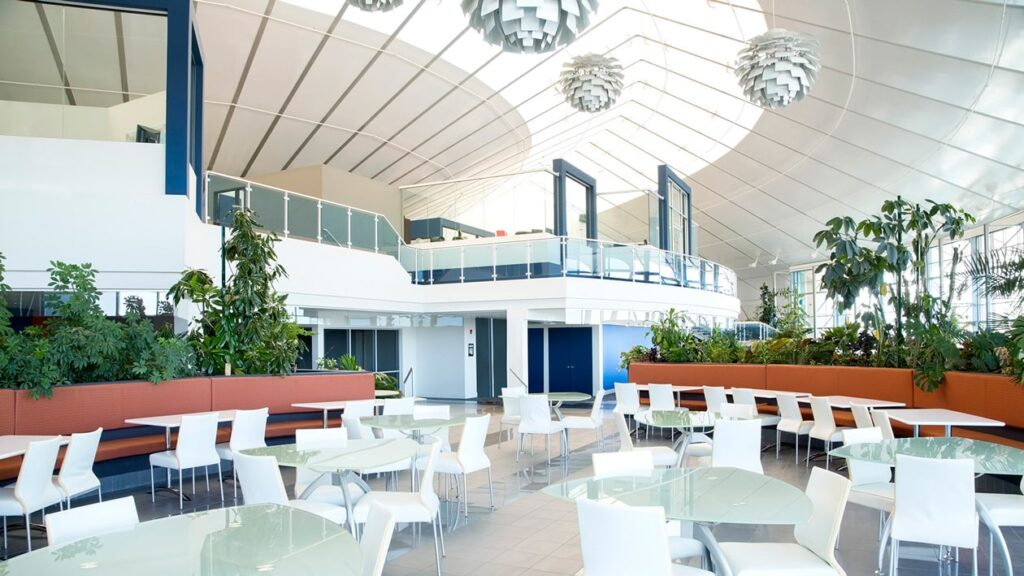
Once operational, the finished structure offers a bright, open interior that can be customized with lighting, mechanical systems, insulation packages and other building components.
Sprung structures are designed to be both durable and adaptable. They can be expanded lengthwise, connected to other structures using our connecting corridors, or dismantled and relocated if needs change over time.
This flexibility is part of what makes the Sprung approach unique.
From the first conversation to the final installation, the Sprung process is focused on delivering a building that performs today while remaining ready for tomorrow.
Contact us to learn more about the Sprung design, delivery and installation process.